


Living in Livonia, Michigan, means embracing all that four seasons can throw at you—lake-effect snows, spring rains, summer storms, and blustery fall winds. Your home’s roof stands as the first line of defense against these elements, but over time, even the strongest roofs can succumb to the local climate’s relentless assault. Catching roof problems early can save you thousands of dollars and prevent disruption to your family’s daily life. Here’s what Livonia homeowners should know about spotting the early signs of roof damage—before minor issues turn into costly nightmares.
Why Early Detection Matters in Livonia
Roof failures rarely happen overnight. Most begin as small issues—some wear here, a popped nail there—that, unattended, grow into leaks, mold, or even structural damage. Because Livonia experiences both harsh winters and humid summers, roofs are vulnerable to a unique set of stresses:
-
-
- Repeated freeze-thaw cycles causing shingles to crack or lift
- Heavy snows leading to ice dams at eaves
- Seasonal winds tearing at loose flashing
- Humid summers encouraging moss or algae growth
-
By identifying trouble early, you protect your investment, maintain your home’s value, and keep your family safe and dry.
What to Look for: Common Early Signs of Roof Damage
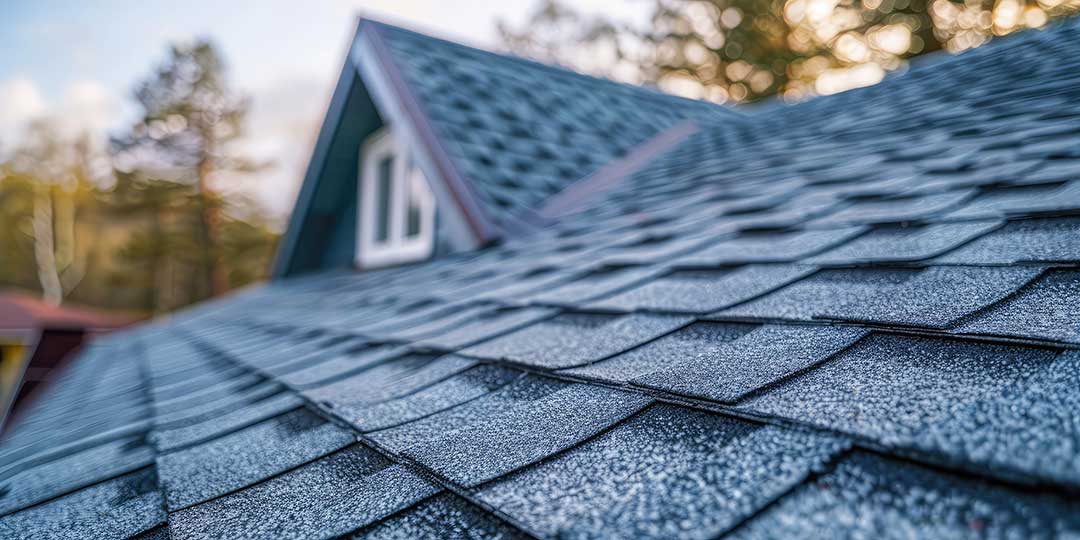
1. Shingle Changes
Shingles are your roof’s main armor, and changes in their appearance can be the first sign of trouble:
-
-
- Curling or cupping: Especially after extreme weather or many freeze-thaw cycles, shingles may curl at the edges or appear concave.
- Cracked or split shingles: Look out for lines, tears, or obvious splits, particularly on south-facing slopes where sun exposure is strongest.
- Missing shingles: After a windstorm (which aren’t rare in Livonia), scan your roof from the ground with binoculars to see if any patches are bare.
-
2. Granule Loss
Asphalt shingles are covered in tiny granules for UV protection. Over time, these granules can wash away, especially after hail or heavy Michigan rain. Runoff piles of black or gray sand in your gutters or at the base of downspouts are a warning sign.
3. Flashing Gaps or Rust
Flashing is the thin metal installed around roof penetrations—chimneys, skylights, and vent pipes. Gaps, cracks, or rust in flashing allow water to sneak in where you don’t want it:
-
-
- Missing sealant: If caulking or tar around flashing looks dry or is peeling away, moisture can get beneath.
- Bent or lifted metal: Spring winds sometimes loosen flashing, making it vulnerable to rain and pests.
-
4. Attic and Ceiling Clues
You don’t always need to climb on your roof to spot damage. A trip to your attic can reveal:
-
-
- Dark stains or wet spots on wood or insulation: These suggest water infiltration.
- Visible daylight: Gaps in the roof deck visible from below are always a red flag.
- Musty odors: Mold thrives in the damp, so a new smell in your attic post-thaw ought to prompt an inspection.
-
5. Sagging or Uneven Spots
While looking from your yard, survey the roofline. Sagging areas or dips suggest weakened decking or chronic water damage under the shingles.
6. Increased Utility Bills
Unexplained spikes in heating or cooling bills can, believe it or not, be connected to roof damage. Gaps, holes, or missing insulation sabotage your home’s thermal barrier, letting Livonia’s cold winters or muggy summers right in.
What’s Unique About Livonia Roofs?
Livonia’s neighborhoods are full of mature trees—a blessing for shade but a hazard for falling branches and leaf buildup. Clogged gutters mean standing water, which encourages shingle rot and ice dam development come winter. Wind-blown debris or falling limbs after a summer thunderstorm can also speed up roof wear. Additionally, Livonia winters are notorious for ice dams, where melting snow refreezes at eaves and pushes water under shingles. Watching for early signs of damming—like thick icicles or water stains on outside walls—can help homeowners address insulation or ventilation problems before they become structural.
When to Inspect
-
- After a Major Storm: Even if your home “looks fine,” major wind, hail, or snow events can cause damage that isn’t immediately obvious.
- Spring and Fall: Make a habit of visually inspecting your roof during seasonal yard cleanups.
- When Selling or Buying a Home: Early detection means less negotiation drama and happier transactions.
DIY Tips for Safe Inspections
You don’t need to climb a ladder every time; try these safer approaches:
-
- Use binoculars from the ground for shingle checks.
- Snap photos using your smartphone’s zoom feature or a drone if possible.
- Inspect your attic after heavy rains or thaws, using a flashlight.
When to Call a Professional
If you notice any of these early warning signs, especially if you’re unsure about the severity or safety of the situation, contact a trusted local roofing professional. Early, professional repairs are almost always cheaper—and safer—than waiting until water pours through your ceiling.
Peace of Mind Through Prevention
As busy as life in Livonia can be, a little preventive attention to your roof can help you avoid the stress and expense of an unexpected repair. By learning the early signs of roof damage and staying vigilant, you ensure your home stays cozy, dry, and ready for whatever Michigan throws your way.


